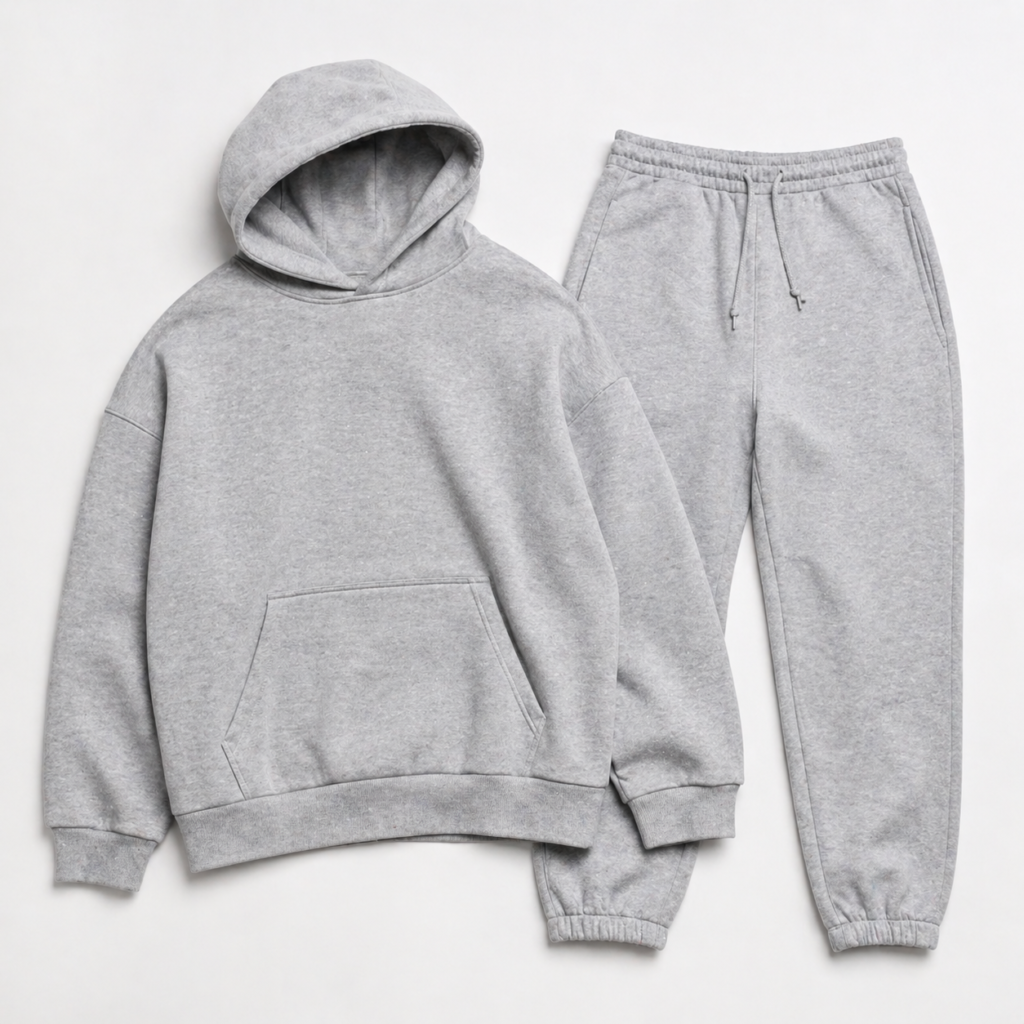
Tracksuits are back. They are not just for athletes anymore. Streetwear brands have embraced matching sets as statement pieces. A well-made tracksuit signals confidence and style. However, producing tracksuits is more complex than printing hoodies. You have two garments to coordinate. Fit must be perfect on both top and bottom. Fabrics must match exactly. Therefore, this guide walks you through every aspect of tracksuit manufacturing. Consequently, you can launch a cohesive, premium collection.
Why Tracksuits Are a Streetwear Staple
Tracksuits offer unmatched versatility. They work for lounging, running errands, or making a fashion statement. Brands like Adidas, Nike, and FOG Essentials built iconic tracksuits. Moreover, matching sets encourage head-to-toe brand loyalty. Customers buy both pieces together. This increases average order value. Additionally, tracksuits photograph well on social media. They create a strong visual identity. For these reasons, many emerging streetwear brands prioritize tracksuit production.
Choosing the Right Fabric for Your Tracksuit
Fabric selection is the most critical decision. The wrong fabric ruins the drape, comfort, and appearance. Most streetwear tracksuits use cotton-polyester fleece or French terry. Here are your main options:
French terry is lighter and more breathable. It suits spring and summer tracksuits. The fabric has loops on the inside and a smooth surface outside. It drapes well and resists pilling. For example, a 280-320 GSM French terry works perfectly for transitional weather.
Fleece is heavier and warmer. It is ideal for fall and winter tracksuits. The brushed interior traps heat. However, fleece can be bulky. Choose a 350-400 GSM fleece for a substantial feel. Avoid cheap, thin fleece that loses shape quickly.
Cotton-polyester blends are standard. 80% cotton and 20% polyester offers softness and durability. The polyester reduces shrinkage and increases color retention. A reputable Turkish clothing manufacturer will source high-quality blends from local mills.
Some brands use 100% cotton for a premium, natural feel. Nevertheless, 100% cotton shrinks more and wrinkles easily. Others use recycled polyester for sustainable tracksuits. This is growing in popularity among eco-conscious brands.
Nailing the Perfect Tracksuit Fit
Fit defines your tracksuit’s character. Streetwear fits range from slim to oversized. Define your brand’s signature silhouette. For tops (hoodies or crewnecks), consider chest width, shoulder drop, sleeve length, and body length. Oversized hoodies have dropped shoulders, wide chests, and cropped lengths. Slim-fit hoodies follow the body more closely.
For bottoms (sweatpants), consider waist type, thigh width, taper, and length. Elastic waistbands with drawstrings are standard. Ribbed cuffs are traditional for jogger-style sweatpants. However, open hem sweatpants are trending for a relaxed, straight-leg look. Taper from thigh to ankle creates a modern silhouette.
Your clothing manufacturer will create a size spec sheet. Provide a sample garment that fits perfectly. They will measure and replicate it. Alternatively, send a detailed size chart. Order samples to test the fit on real bodies.
Color Matching and Dyeing Considerations
Tracksuits require perfect color matching between top and bottom. This is harder than it sounds. Different fabric batches may have slight shade variations. Therefore, request that your entire tracksuit order (both hoodies and sweatpants) be cut from the same fabric roll or dye lot. Otherwise, your customers will receive mismatched sets.
For solid colors, garment dyeing after sewing ensures consistency. The completed hoodie and sweatpants are dyed together. This produces perfect color harmony. However, garment dyeing costs more and takes longer. For classic colors like black, heather grey, or navy, piece-dyed fabric works well if you order enough yardage for both pieces.
Printing and Embellishment Options
Tracksuits offer multiple decoration opportunities. Screen printing is durable and bold. Place logos on the chest, back, or left sleeve. For pants, print logos down one leg or on the hip. Embroidery adds a premium, textured look. Use embroidery for small logos on the chest or above the hem. Embroidery feels more luxurious than printing. However, it costs more per piece.
Some brands use puff printing or vinyl for 3D effects. Others use chenille patches for a vintage varsity feel. Discuss options with your Turkish clothing manufacturer. They will recommend methods based on your design and quantity.
Ribbing, Cuffs, and Details
Details separate premium tracksuits from basic ones. Ribbing at cuffs, hem, and ankles should be firm but comfortable. Matching ribbing color to the main fabric creates a clean look. Contrast ribbing adds a sporty accent. Drawcords on hoodies and pants should feel substantial. Flat cotton drawcords are standard. Metal-tipped drawcords look more premium.
Zippers on hoodies should be YKK or equivalent quality. Cheap zippers break quickly. Your manufacturer should offer several zipper options. Pockets on hoodies (kangaroo or side-seam) and pants (side and back) need reinforcement stitching.
Sampling Your Tracksuit
Sampling tracksuits requires more steps than single garments. You need a sample hoodie and sample sweatpants. Ideally, request a full matching set sample. Check both pieces together. Look for fabric hand-feel, color consistency, and fit harmony. Wash the entire set. Measure shrinkage. Check if both pieces shrink proportionally.
Wear the set for a full day. Sit, walk, stretch. Does the pants waist stay up? Do the sleeves ride up? Does the hood sit properly? A Turkish clothing manufacturer experienced in tracksuits will anticipate these tests. They will provide detailed sample feedback.
MOQs and Cost Structure for Tracksuits
Tracksuits have higher minimum order quantities because you are producing two garments. Typical MOQs range from 100 to 300 sets (meaning 100 hoodies and 100 sweatpants). Some manufacturers offer 50-set MOQs for emerging brands. Costs depend on fabric weight, print complexity, and garment construction. A 200-set tracksuit order (hoodie + sweatpants) with 2-color screen printing might cost €40-60 per set from a Turkish supplier.
Compare this to buying separate hoodies and sweatpants. Manufacturing them together saves logistics costs and ensures color matching. Therefore, the higher MOQ is often worth it.
Packaging and Presentation for Tracksuits
Tracksuits should be packaged together. Many brands fold the hoodie and sweatpants into a single poly bag or box. This creates a “set” unboxing experience. Include a branded sticker or card. Some premium brands use dust bags or custom-printed boxes. Your Turkish clothing manufacturer can arrange poly bags sized for folded sets. For retail stores, consider hanging the set on a single branded hanger.
Why Turkish Manufacturers Excel at Tracksuits
Turkey has deep expertise in knitwear and fleece production. Turkish mills produce some of the world’s best cotton fleece. Additionally, Turkish manufacturers are experienced with European fits and quality expectations. They understand the importance of matching sets. Many produce tracksuits for established European streetwear brands. Consequently, they offer competitive pricing and reliable lead times. For custom tracksuits, a Turkish clothing manufacturer is an excellent partner.
Conclusion: Your Tracksuit Collection Awaits
Tracksuits represent a major step for streetwear brands. They show maturity and range. With careful planning, you can produce matching sets that customers love. Focus on quality fabrics, consistent fits, and perfect color matching. Partner with an experienced manufacturer. Sample thoroughly. Your tracksuit collection will build brand loyalty and increase sales. Start planning today.