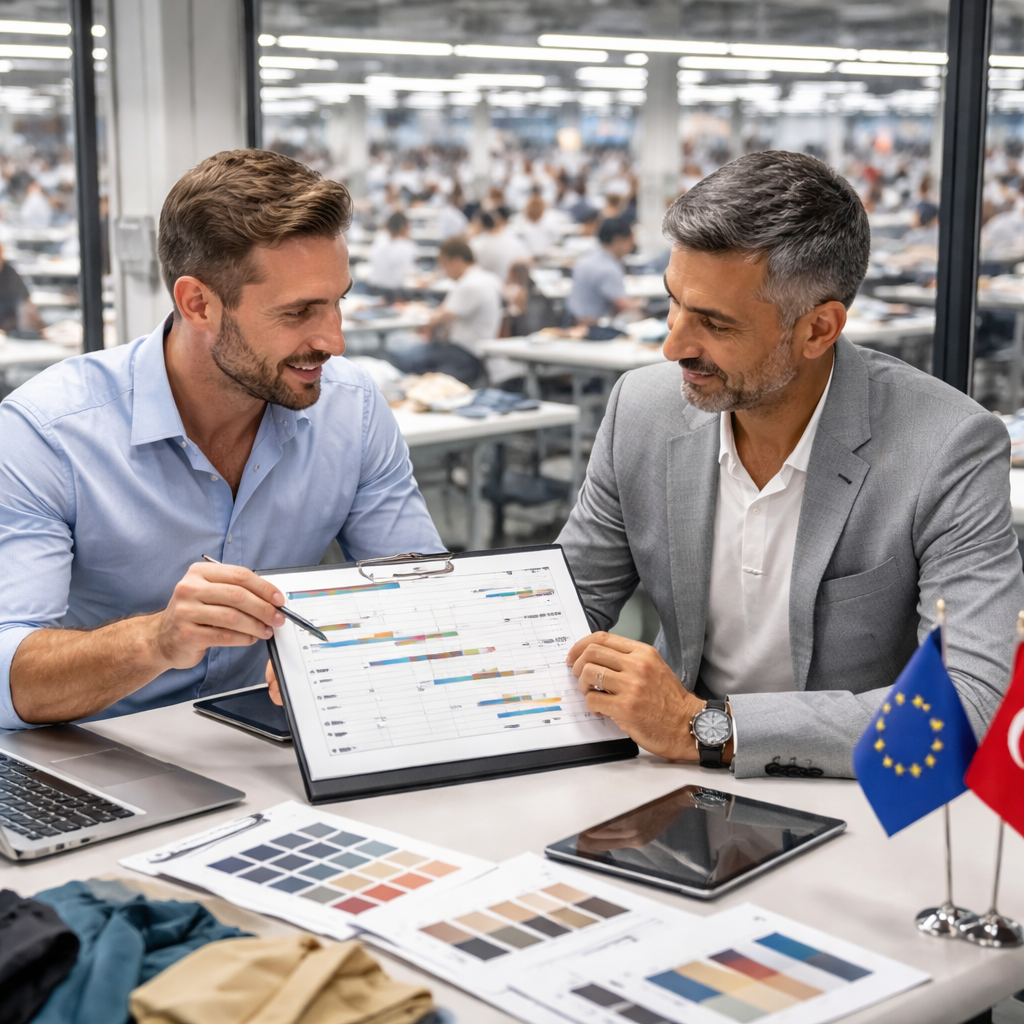
A fundamental realignment is reshaping the European fashion industry’s production map. The traditional model of distant, cost-driven outsourcing is being challenged by a smarter, more resilient approach. At the epicenter of this shift is a strategic partnership with Turkish clothing manufacturers. This isn’t a minor trend confined to niche brands; it’s a calculated movement led by established and emerging labels alike who are prioritizing stability, quality, and speed. But what specific forces are propelling this change? Let’s dissect the powerful convergence of factors making Turkey the new strategic imperative for EU brands seeking not just to survive, but to thrive.
The initial catalyst is the profound need for supply chain resilience. Recent global disruptions exposed the critical vulnerabilities of overextended logistics networks. Brands that once relied on production hubs halfway across the globe faced paralyzing delays, communication breakdowns, and a total loss of visibility. This experience triggered a renaissance in strategic sourcing, where proximity and control are valued as highly as cost.
Partnering with a clothing manufacturer in Turkey directly answers this need. Situated at the crossroads of Europe and Asia, Turkey offers the golden mean: competitive pricing coupled with unparalleled accessibility. A two-hour flight allows for face-to-face collaboration, real-time problem-solving, and tangible quality oversight. This proximity transforms the supplier relationship into a transparent partnership, mitigating risk and building a foundation of trust that is simply impossible from a distance of 10,000 kilometers.
However, resilience is only part of the equation. The modern market demands revolutionary speed. The pace set by digital commerce and social media trends has collapsed traditional development cycles. The ability to move from concept to customer in the shortest possible time is a definitive competitive edge. Turkish manufacturers excel here through integrated operations and logistical advantage. Their deep-rooted textile ecosystem—encompassing spinning, weaving, dyeing, and finishing—allows for streamlined material sourcing and shorter lead times. When you combine this with significantly reduced shipping durations to EU markets, the result is a dramatic compression of the timeline.
This agility enables a transformative business model: responsive production. Instead of committing vast sums to large, speculative seasonal orders, brands can adopt a test-and-scale approach. Launch a capsule collection, monitor real-time sales data, and replenish stock of best-selling items within weeks. This model drastically reduces inventory financing costs and the commercial disaster of dead stock, while maximizing full-price sell-through. It represents a shift from forecasting to responding, and Turkish manufacturing provides the essential infrastructure to make it work.
Beyond logistics, there is an invisible alignment of craftsmanship and expectation. Turkish manufacturers have, for generations, been the hidden engine behind countless premium European brands. This legacy has cultivated an intrinsic understanding of European aesthetics, fit preferences, and quality nuances. The dialogue between brand and manufacturer is conducted in a shared language of quality. There is no need to translate the importance of a precise silhouette or the desired drape of a fabric; it is instinctively understood. This cultural synergy minimizes costly sampling revisions and ensures the final product feels authentically conceived for its intended audience, eliminating the “lost in translation” gap that often plagues cross-continental production.
Finally, the partnership is elevated by a shared commitment to a sustainable future. The EU’s Green Deal and escalating consumer demand for ethical transparency are setting new industry standards. Progressive Turkish clothing manufacturers are not just reacting but leading this charge. Significant investments in water treatment and recycling plants, solar energy installations, and certified sustainable material pipelines are now commonplace. By choosing such a partner, EU brands gain more than a production facility; they gain a verified, credible extension of their own sustainability ethos. This allows brands to communicate authentic stories of reduced carbon footprints, ethical labor practices, and circular design principles, building deeper loyalty with a conscious consumer base.
The evidence for this shift is no longer anecdotal; it’s empirical. Brands that have made the transition report enhanced operational control, improved margins through reduced waste and faster turnover, and stronger customer satisfaction. The narrative is clear: choosing a Turkish clothing manufacturer is a forward-looking strategy that addresses the core challenges of modern fashion business. It is a decision that balances cost with value, distance with partnership, and tradition with innovation. For EU brands charting their course for the coming decade, this partnership isn’t just an option—it’s becoming the blueprint for sustainable success.