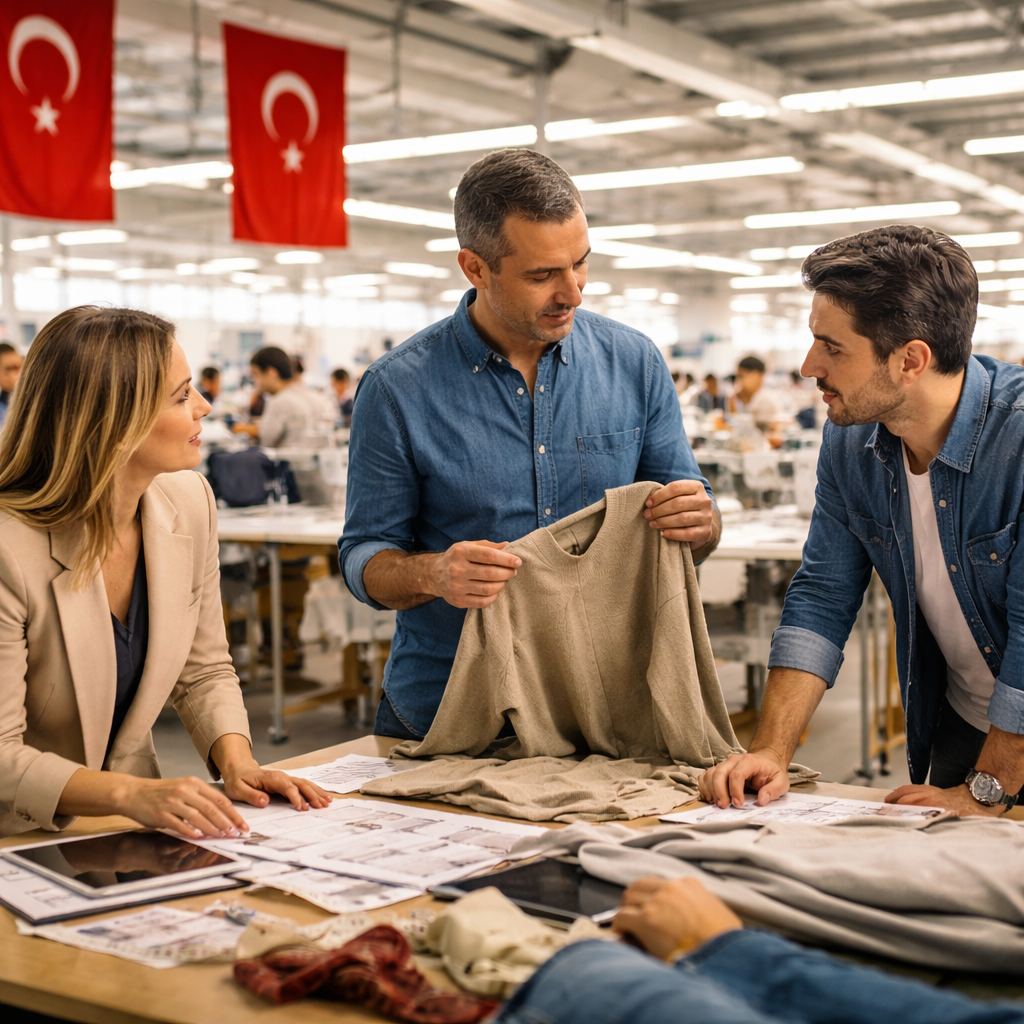
Walk into any major European fashion head office from London to Berlin, and you’ll notice a subtle shift in the sourcing department. Production maps are being redrawn. The conversation has moved decisively from the Far East to a bridge between continents: Turkey. This isn’t a coincidence or a minor trend; it’s a calculated business migration. Savvy brands have uncovered a powerful secret: partnering with a Turkish clothing manufacturer solves multiple modern business challenges simultaneously. But what are the actual, tangible reasons behind this strategic pivot? Let’s pull back the curtain on the EU’s worst-kept secret and reveal why this partnership is becoming the new industry standard.
The first compelling reason is risk reduction through proximity. The era of six-week sea voyages and communication across twelve time zones is ending. Brands got burned by supply chain collapses and are now prioritizing resilience. A clothing manufacturer in Turkey is often just a short flight away. This means you can visit your production line next week.
You can inspect fabrics, approve samples in person, and build a real relationship with the team making your clothes. This control is priceless. It turns production from a black box into a transparent, collaborative process. When problems arise—and they always do—you solve them in real-time, not via delayed emails. This proximity directly translates to fewer errors, less waste, and a more predictable outcome.
But let’s talk about the real engine of this shift: unsurpassed agility. The fast-fashion model taught the entire industry that speed is survival. However, producing cheaply and quickly on another continent often meant sacrificing ethics and quality. Turkish manufacturers have mastered the trifecta: speed, quality, and ethics. Their integrated supply chain—from world-class local fabric mills to skilled sewing units—operates with remarkable efficiency. This allows for revolutionary production models. Imagine producing a small test batch of a new design, launching it online, and then ramping up production of only the best-selling items within weeks. This “see now, make now” capability is a game-changer. It slashes inventory risk and lets you ride trends as they peak, not months later.
Now, consider the cultural and quality alignment. Turkish manufacturers haven’t just learned European tastes; they’ve helped shape them for decades. There’s an ingrained understanding of fit, drape, and finish that aligns perfectly with European consumer expectations. You won’t need to explain what a “Parisian fit” means or why fabric hand-feel is crucial. They already know. This shared language of quality dramatically reduces sampling rounds and ensures the final product feels authentically “right” to your customer. It’s the difference between outsourcing and true partnership.
Finally, the sustainability imperative is driving this change. Europe’s green regulations and consumer demand for ethical fashion are tightening. Turkey’s manufacturing sector has responded with serious investment. Modern facilities boast water recycling systems, solar power, and certified sustainable material sourcing. When you partner with a progressive Turkish clothing manufacturer, you’re not just accessing this infrastructure; you’re leveraging it for your brand’s story. You can credibly market lower carbon footprints due to shorter shipping, transparent ethical certifications, and innovative eco-materials—all without building this costly capability yourself.
The evidence is overwhelming. Brands that make the switch report stronger margins, faster turnaround, and happier customers. The secret is out. The question is no longer if you should explore Turkish manufacturing, but how fast you can build this strategic advantage. In the competitive landscape of European fashion, this partnership might be your most important move.