In the heart of global fashion, a quiet revolution is unfolding. European brands that once relied on distant production hubs are now turning their eyes closer — to Turkey, a land where tradition meets modern technology.
Across Istanbul, Izmir, and Bursa, Turkish clothing manufacturers are helping European fashion houses evolve with speed, sustainability, and style.
For decades, Turkey has been recognized as one of the world’s leading textile producers. Yet today, it stands for much more than capacity or geography. It represents innovation with integrity, a new standard of excellence that aligns with Europe’s changing expectations.
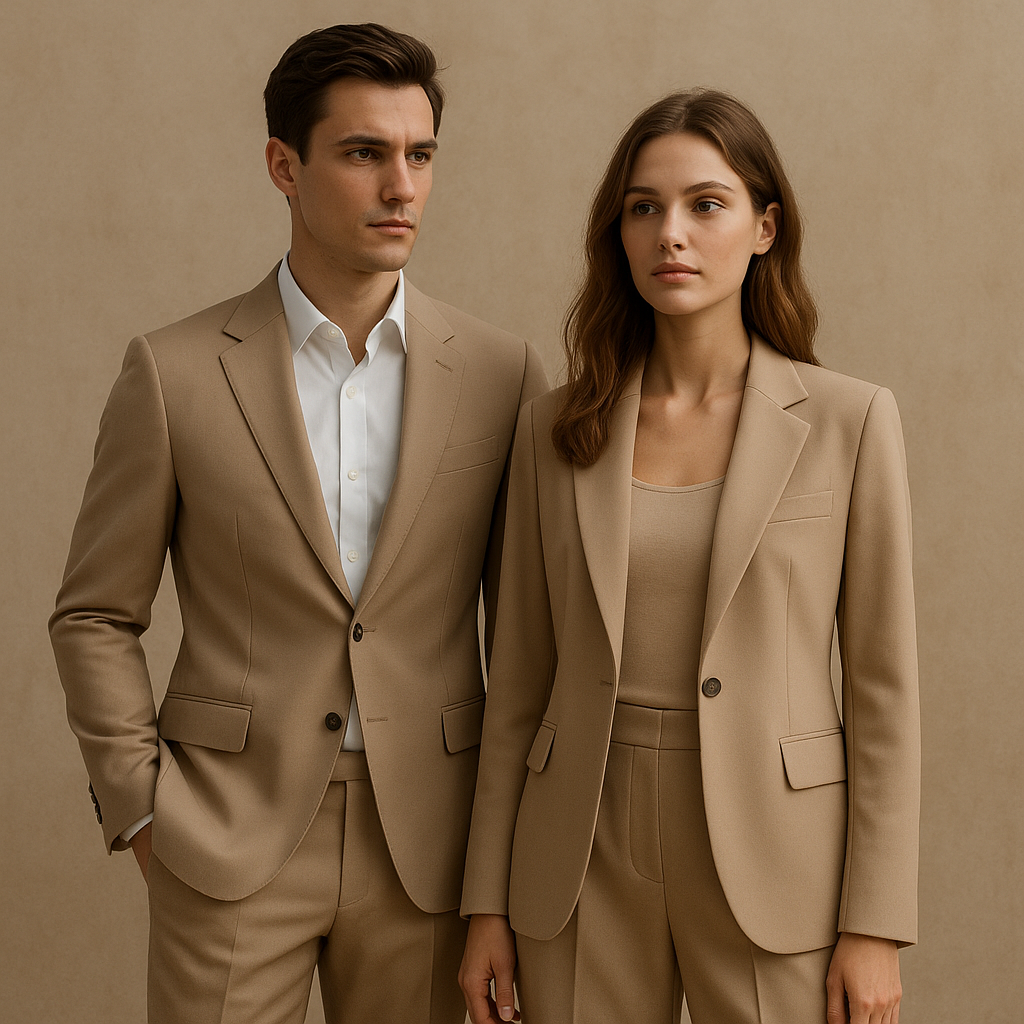
Why Europe Trusts Turkish Manufacturers
European brands are increasingly selective about their supply chains. They want partners who can deliver quality garments quickly, ethically, and consistently. Turkey checks all these boxes.
Its geographic proximity reduces shipping time and carbon footprint. But the real magic lies in how Turkish factories manage the entire production process — from concept sketches to finished garments — with seamless efficiency.
Factories here are not just production sites; they are creative ecosystems. Pattern makers, fabric specialists, and quality controllers work side by side. Communication is fast, collaboration is genuine, and quality is measured in every stitch.
Speed Without Compromise
In the fast-paced world of fashion, time is everything. European buyers appreciate that Turkey can deliver small-batch collections in just weeks, not months.
This responsiveness allows brands to test new designs quickly and keep their stores fresh with new arrivals.
Unlike traditional offshore production, where shipping delays or communication gaps can stall entire collections, Turkish manufacturers operate like extensions of the European fashion houses themselves.
They understand European taste, fit standards, and seasonal timing — enabling true just-in-time manufacturing.
The Sustainability Edge
Sustainability is no longer a choice; it’s a brand value. And this is where Turkish clothing manufacturers truly excel.
Many have invested in eco-friendly technologies: waterless dyeing systems, recycled fabrics, and energy-efficient facilities. Certifications such as GOTS and OEKO-TEX are common across the industry, providing European partners with verifiable assurance.
Moreover, sustainability in Turkey goes beyond materials — it extends to people. Ethical labor practices, safe workplaces, and social responsibility are integral to how the Turkish textile sector operates.
The combination of care for the planet and respect for craftsmanship gives European brands both credibility and conscience.
Technology Meets Tradition
The Turkish textile story is centuries old, but it’s now powered by technology.
Factories use 3D sampling, digital fabric printing, and AI-driven pattern cutting to reduce waste and increase precision.
Many manufacturers even provide virtual production updates, allowing European clients to monitor progress in real time.
This digital transformation has made Turkey one of the most agile and transparent production markets in the world.
When a Paris-based designer sends a prototype, it can be digitally modeled, approved, and sent into production within hours — all while maintaining flawless quality control.
Collaboration as a Culture
What truly separates Turkish manufacturers from others is their collaborative mindset.
European brands often describe Turkish partners not as suppliers but as co-creators.
Design meetings are filled with enthusiasm and shared vision.
Color palettes are refined together, fabrics are tested side by side, and every new line becomes a product of joint passion.
Whether it’s an eco-conscious London label or a luxury boutique from Milan, Turkish manufacturers offer both flexibility and insight.
They suggest fabric alternatives, optimize fits, and even advise on sustainable sourcing — adding value far beyond production.
Economic and Strategic Strengths
Turkey’s integration with the European Customs Union simplifies trade, minimizes tariffs, and speeds up logistics.
Combined with a robust transport infrastructure and skilled workforce, this creates an unmatched value proposition: European quality at competitive cost.
The Turkish Lira’s favorable exchange rate also makes it cost-effective for European brands without compromising material or labor standards.
This balance of affordability and reliability is driving a steady shift from Asian sourcing to Turkish partnerships.
Building the Future Together
The future of European fashion depends on resilience, responsibility, and reinvention.
And that future is already taking shape in Turkey.
European buyers who once outsourced thousands of kilometers away are now investing in long-term collaborations with Turkish partners — co-developing sustainable lines and innovative capsule collections.
As both regions share values of craftsmanship and creativity, the partnership feels natural.
European design meets Turkish production expertise, and the outcome is beautiful: clothing that’s stylish, ethical, and made to last.
Conclusion
The European fashion landscape is transforming, and Turkish manufacturers are its trusted architects.
They combine speed with sustainability, technology with artistry, and business with human touch.
From organic cotton dresses to high-end tailored suits, the mark of Turkish craftsmanship is becoming a global symbol of reliability and beauty.
In a world that demands transparency and agility, Turkish clothing manufacturers are not just suppliers — they are partners shaping the future of European fashion.